×
Gyz La Rivière’s website
Home Boy
About
Contact
Media Publications
Curriculum Vitae
Work
All
Architecture
Books
Entertainment
Films
Installations
Kodak
Mixed Media
Neons
Objet trouvé
Performances
Prizes
Screenprints
VHS
Galaxy
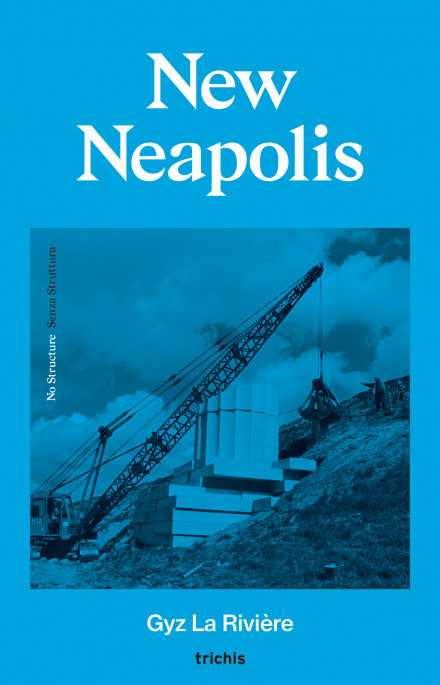
New Neapolis
Rotterdam 2040
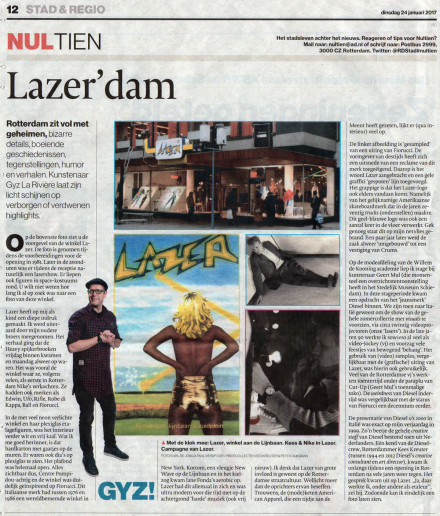
12
Humobisten
Home Boy
About
Contact
Media Publications
Curriculum Vitae
Work
All
Architecture
Books
Entertainment
Films
Installations
Kodak
Mixed Media
Neons
Objet trouvé
Performances
Prizes
Screenprints
VHS
Galaxy
New Neapolis
Rotterdam 2040
12
Humobisten
×
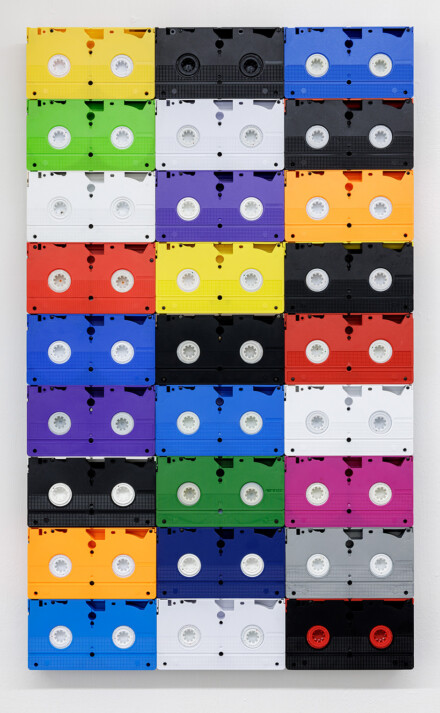
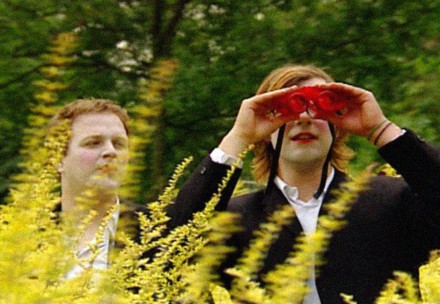
KIJKPLEZIER II
×
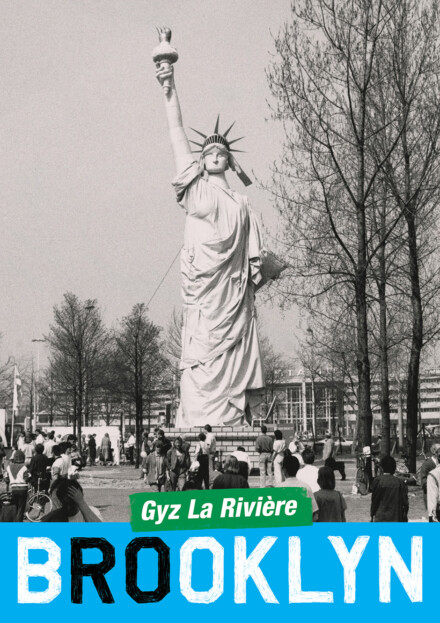
‘BROOKLYN’
×
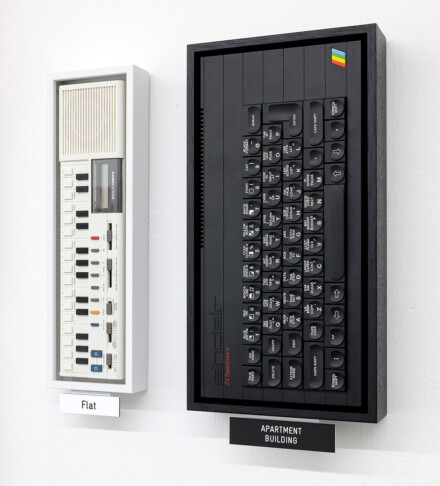
FLAT & APARTMENT BUILDING
×
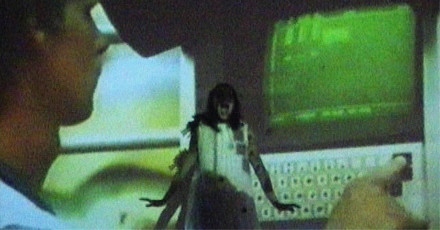
A.I.
×
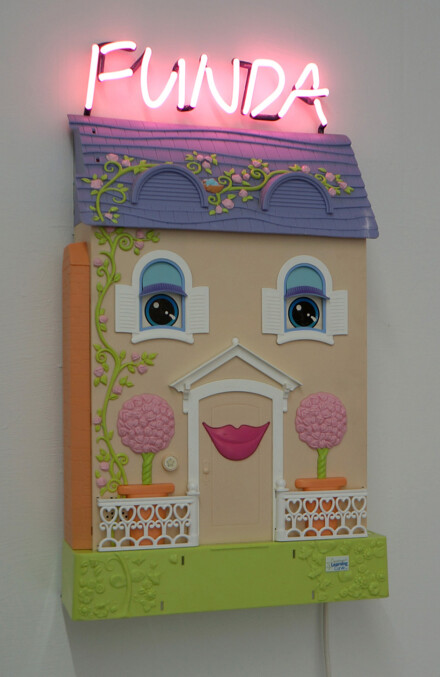
FUNDA
×
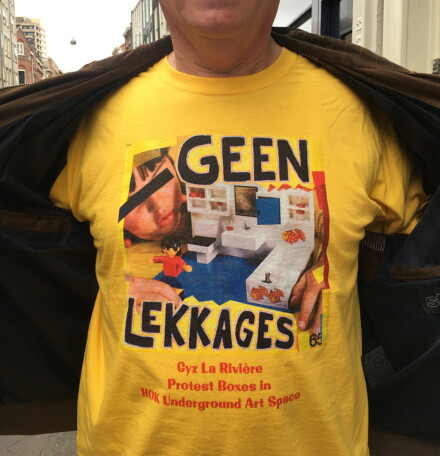
PROTESTDOZEN
×
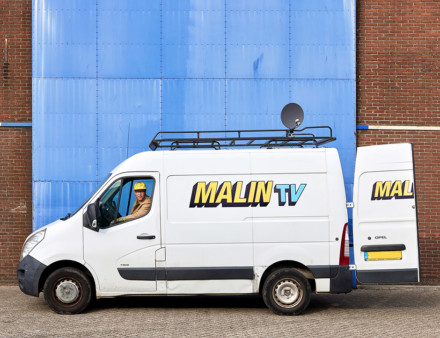
MALIN TV
×
OUT OF ORDER
×
DATAISM II
×
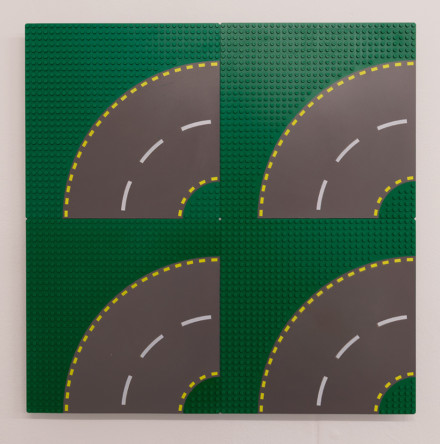
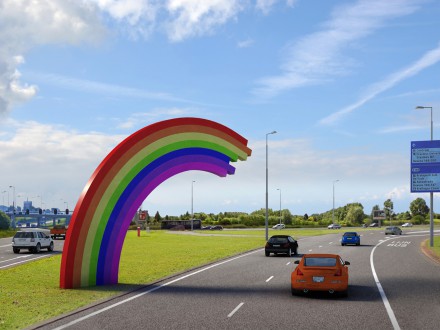
ROAD TO NOWHERE V
×
WHERE IDEAS COME FROM
×
FLAT II
×
ROTONDEKUNST III
×
FATA MORGANA
×
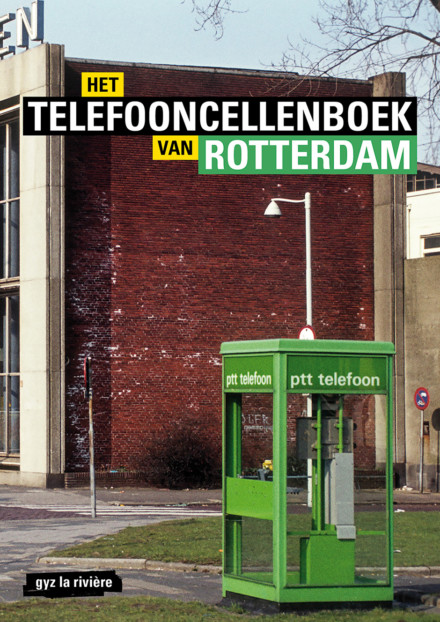
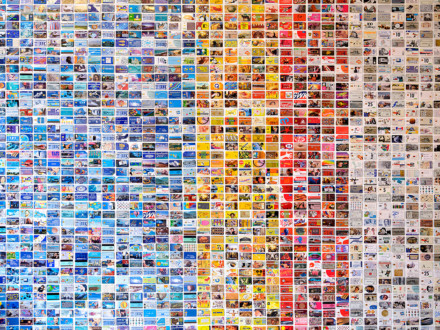
HET TELEFOONCELLENBOEK VAN ROTTERDAM
×
HOT DOG? II
×
HEAR SLOWLY AND SEE
×
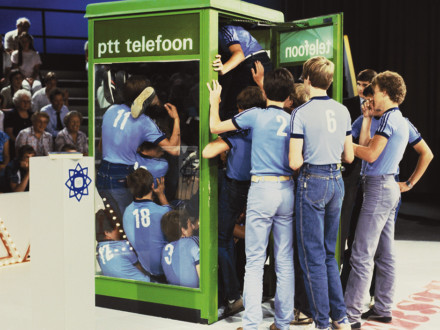
COLLECT CALLS
×
PIRATE TV STATION
×
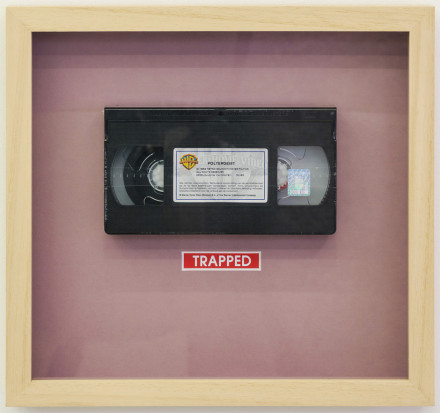
TRAPPED
×
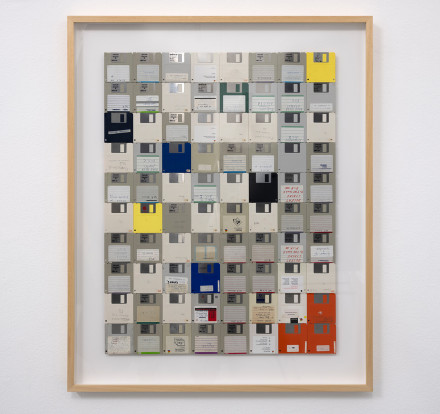
KIJKPLEZIER
×
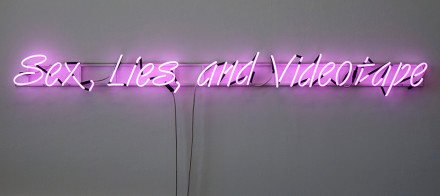
SEX, LIES, AND VIDEOTAPE
×
PAL
×
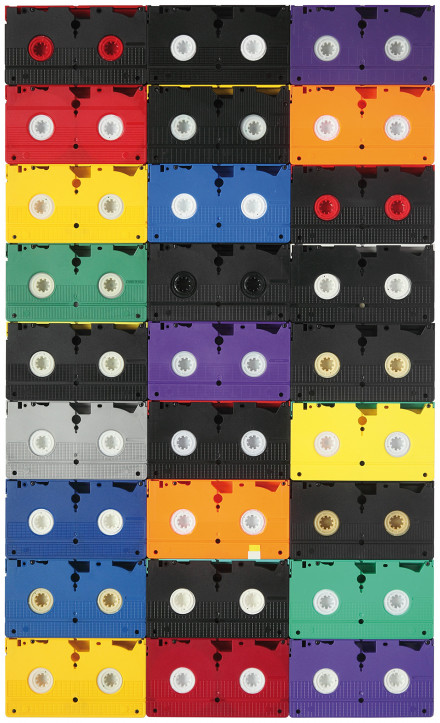
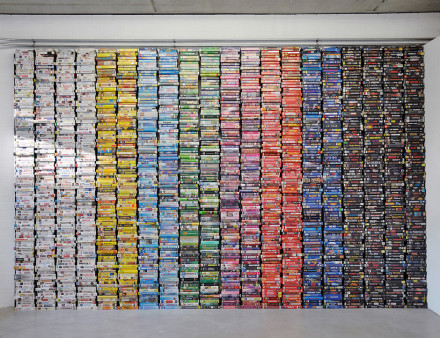
COLOUR BARS
×
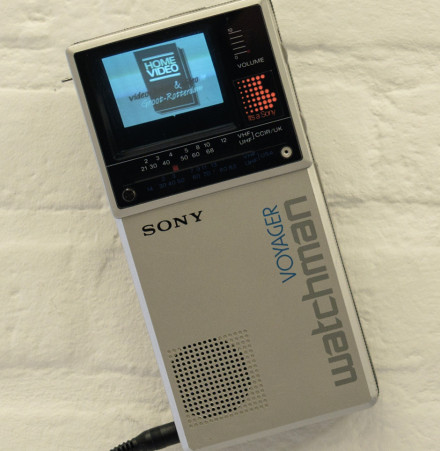
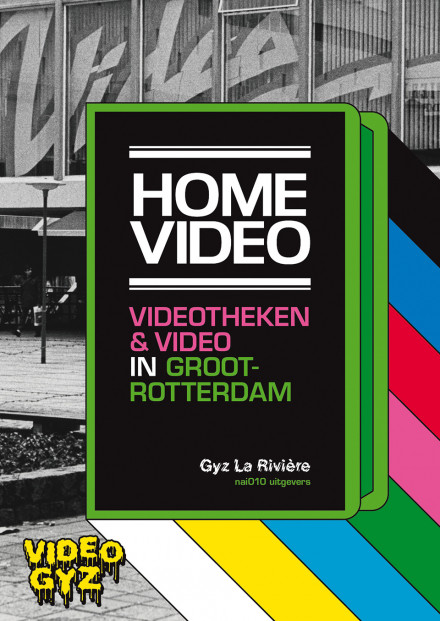
HOME VIDEO
×
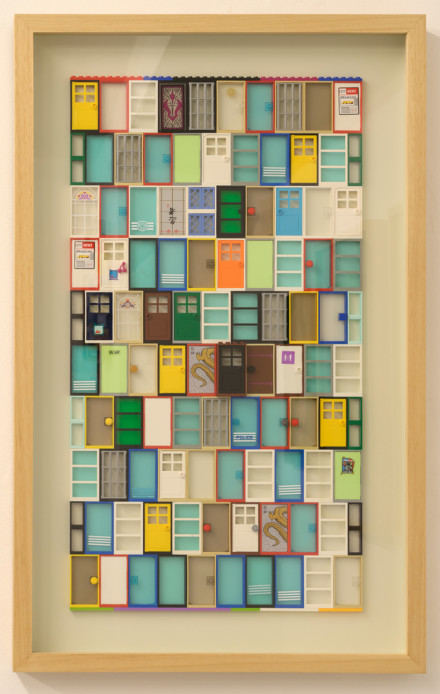
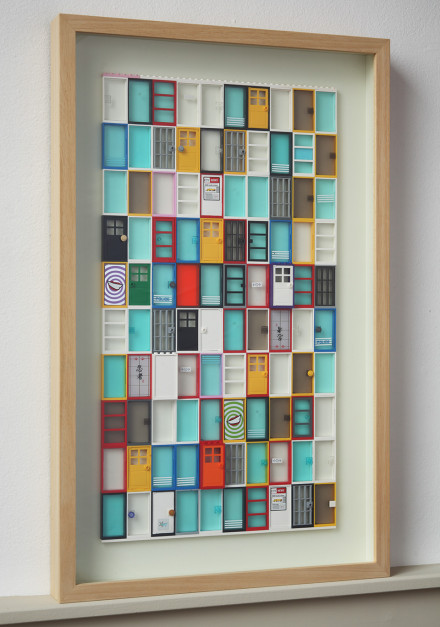
FLAT
×
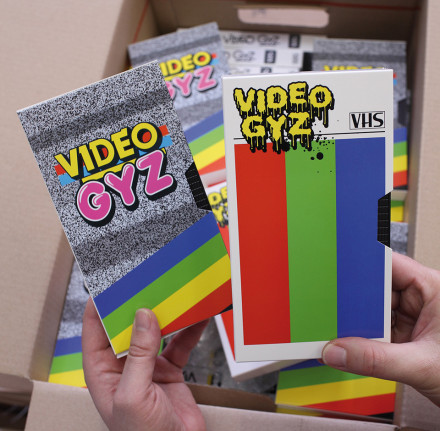
VIDEO GYZ
×
REAL TIME
×
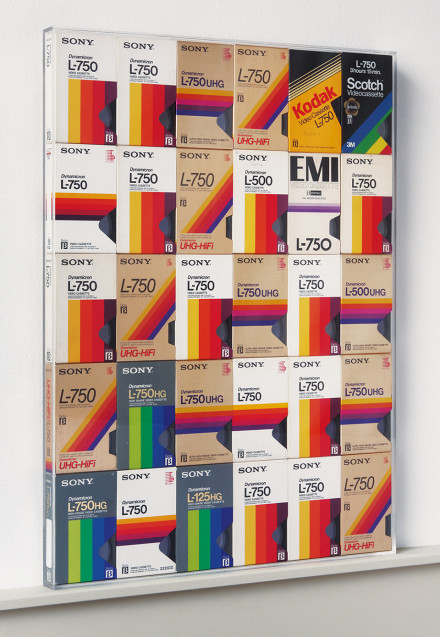
BETA
×
BRONZE AGE
×
ROTONDEKUNST II
×
ROAD TO NOWHERE IV
×
ROTONDEKUNST I
×
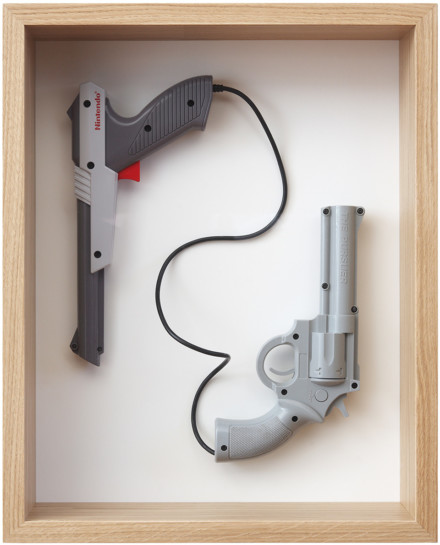
SMOKING GUN
×
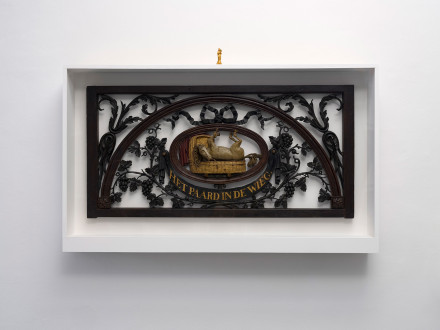
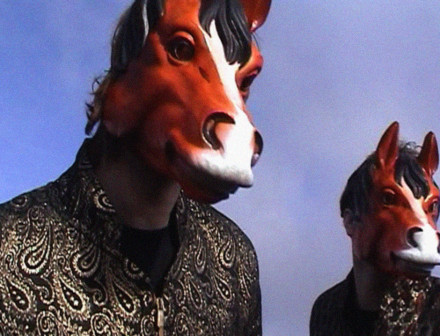
THE HORSE IN THE CRIB
×
4155 MINUTES
×
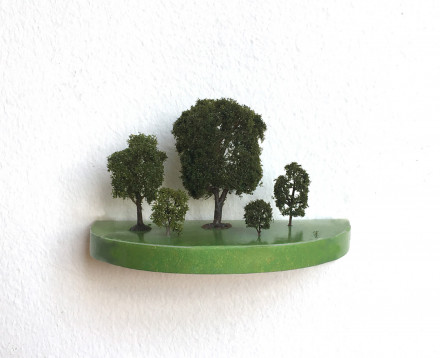
A FOREST
×
MOM
×
COMIC SANS II
×
8-BIT
×
ROAD TO NOWHERE III
×
LANDSCAPE
×
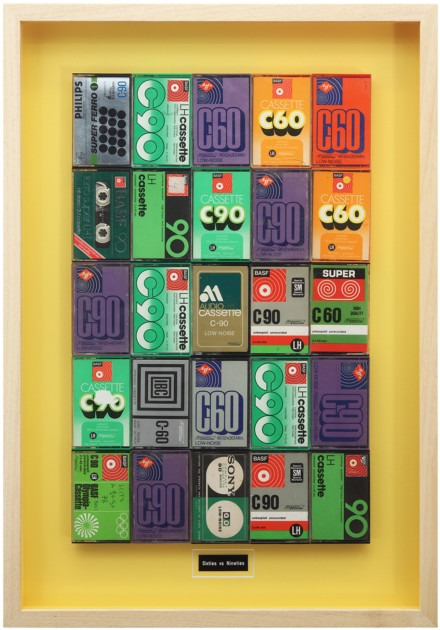
SIXTIES VS NINETIES
×
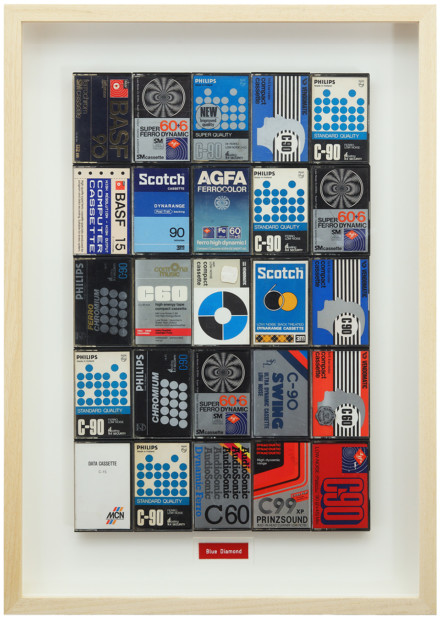
BLUE DIAMOND
×
‘OBJECTS IN MIRROR ARE CLOSER THAN THEY APPEAR’
×
DATAISM
×
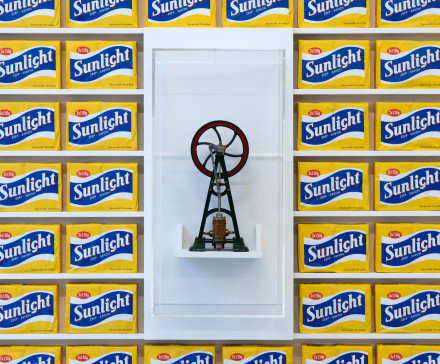
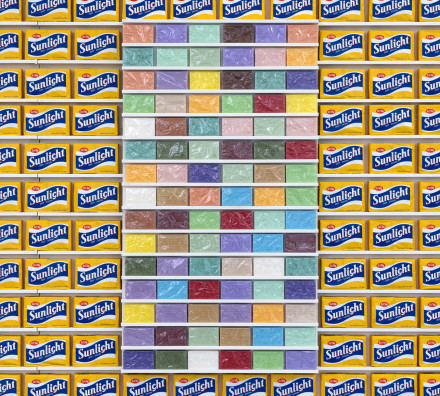
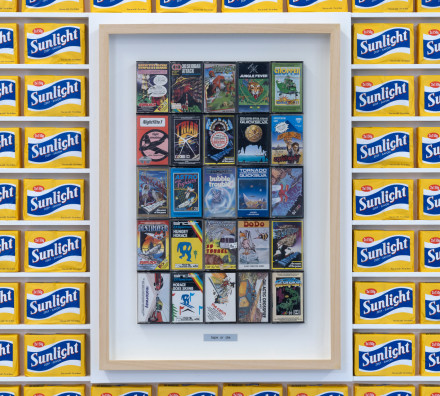
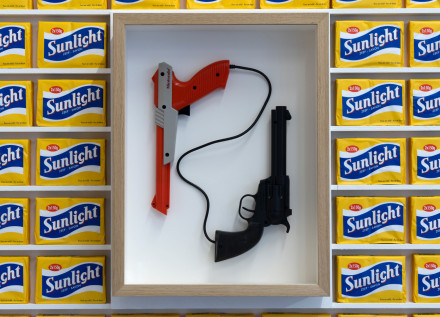
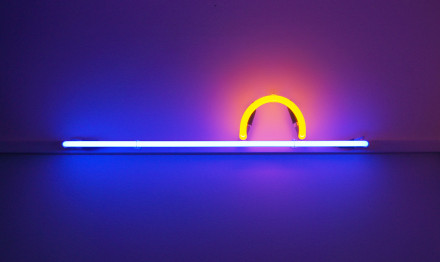
SUNLIGHT
×
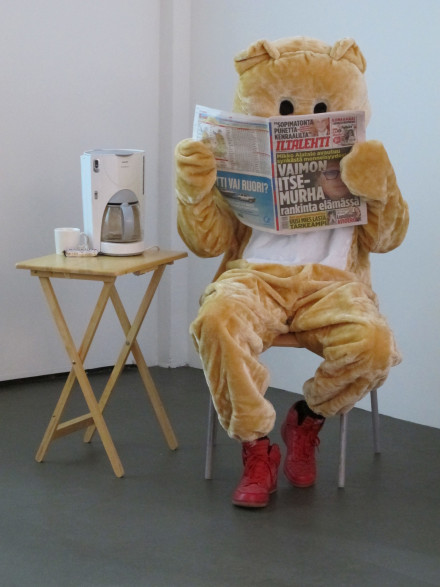
COFFEE AND SPECULATION
×
ALLEY PARADISE
×
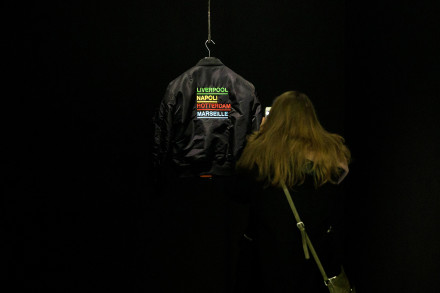
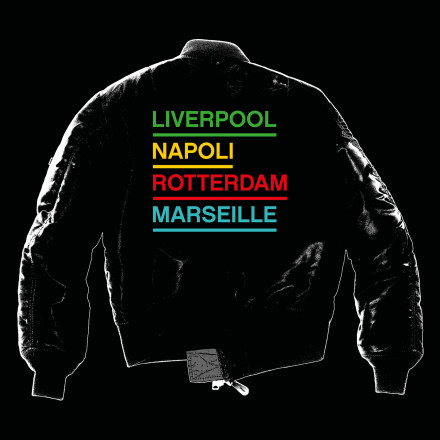
NEW NEAPOLIS BOMBER JACKET
×
VLAG
×
CHIP
×
ESCAPE
×
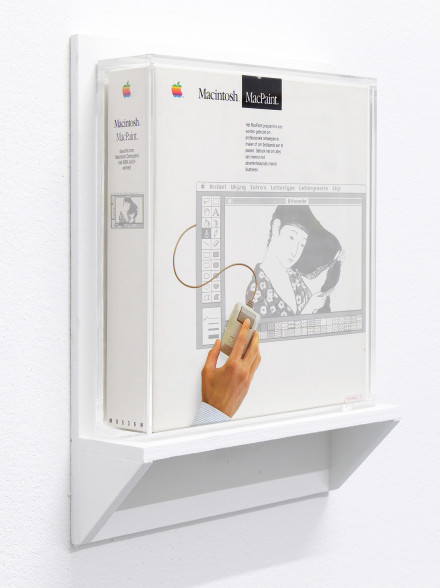
MACPAINT
×
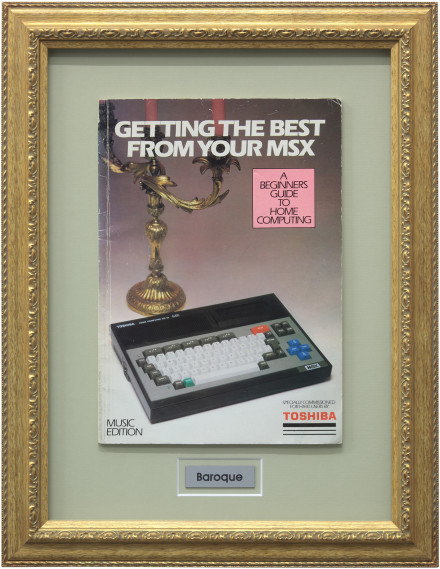
BAROQUE
×
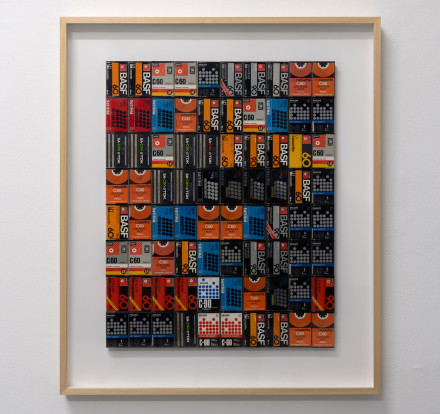
RHYTHM
×
SAVON
×
TAPE OR DIE
×
JUST RANDOM II
×
NEW NEAPOLIS FILM
×
SKATE OR DIE
×
PATHFINDER
×
IT ALL STARTED WITH THIS
×
WESTWORLD
×
JUST RANDOM
×
DATA STRUCTURE II
×
DATA STRUCTURE
×
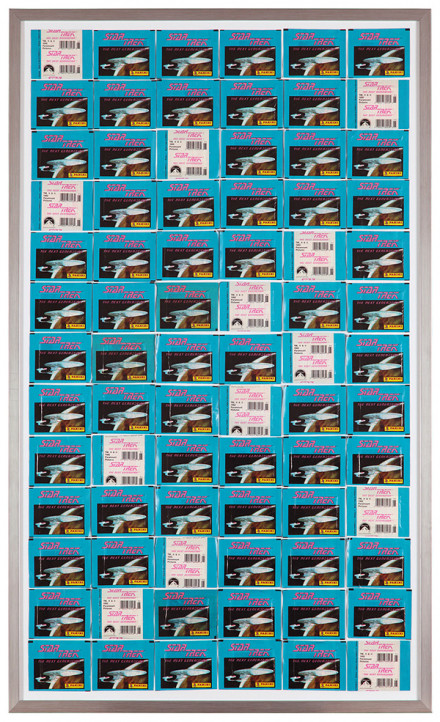
ENTERPRISE
×
FRANKA
×
ROAD TO NOWHERE II
×
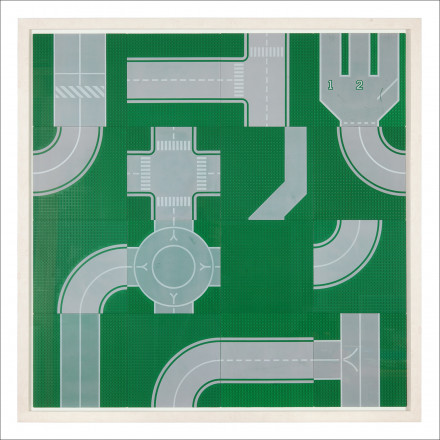
ROAD TO NOWHERE
×
NEW NEAPOLIS SHORT FILM
×
‘GOOGLE IMAGES’
×
GYZ! 2017
×
NEW NEAPOLIS ~ NO STRUCTURE
×
GYZ! 2016
×
EVERYONE WANTS A PIECE OF THE PIE
×
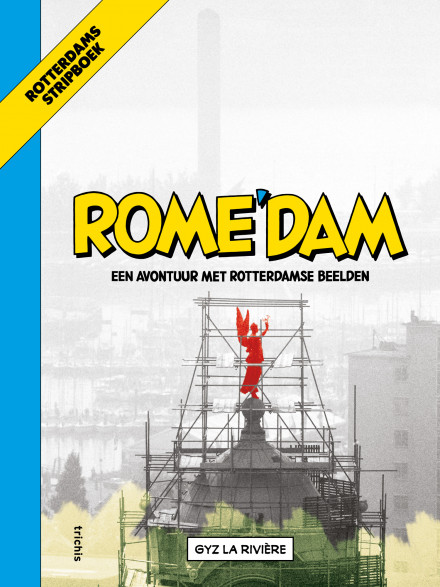
ROME’DAM
×
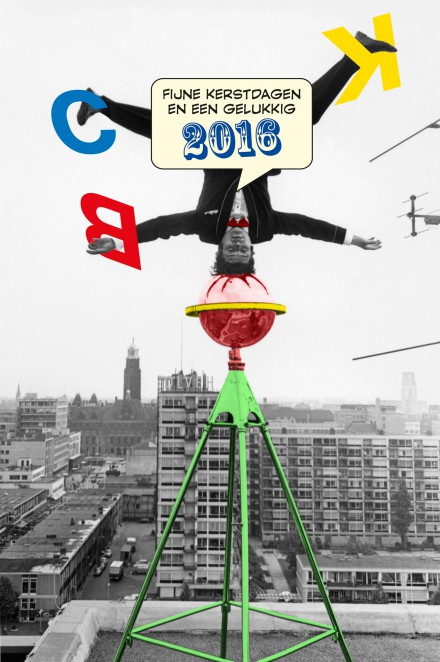
CBK 2016
×
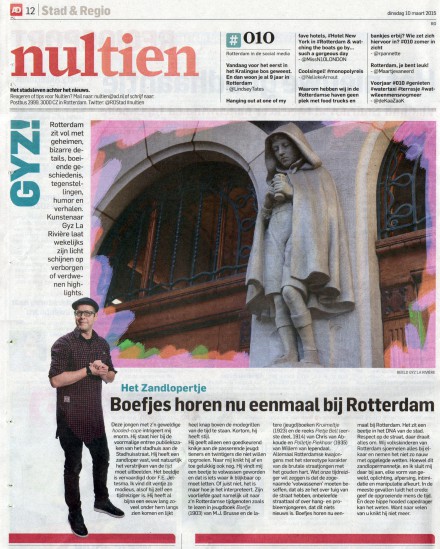
GYZ! 2015
×
DE NIEUWE KRUISKADE
×
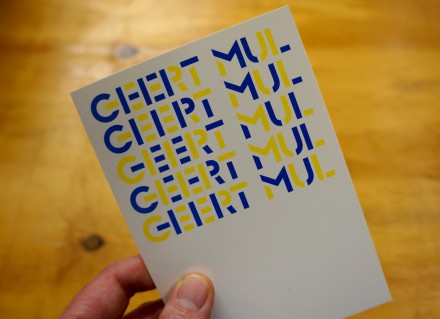
GEERT MUL ID
×
HUH?
×
POPOLO
×
ALLEYS
×
TENT ACADEMY AWARDS
×
GZA JEWELRY
×
THE CORPORATE EYE 01
×
IFFR 2008
×
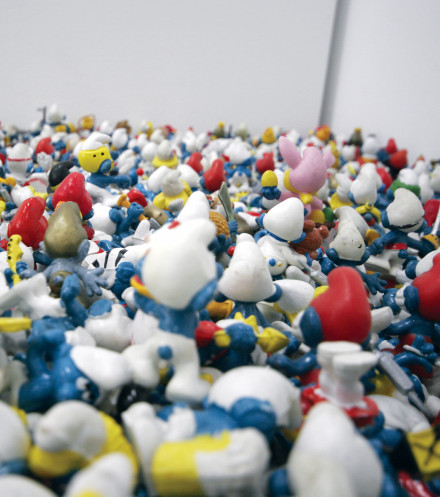
DE ZOONTJES
×
STREET
×
DANS NACHT
×
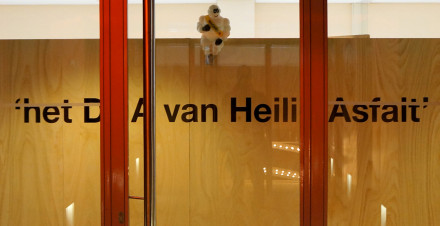
‘HET DNA VAN HEILIG ASFALT’
×
BORDERLINE
×
ATTACK SUSTAIN RELEASE
×
HOFPLEIN CUP
×
EUROPE ENDLESS
×
DOE JE DING.
×
VIDEO JOCKEY
×
UNTITLED
×
RESORT
×
SOCIETY
×
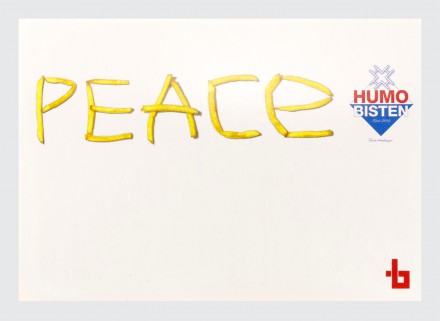
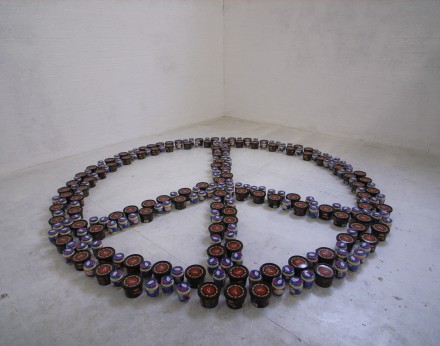
PEACE
×
REVOLUTION MERCHANDISE
×
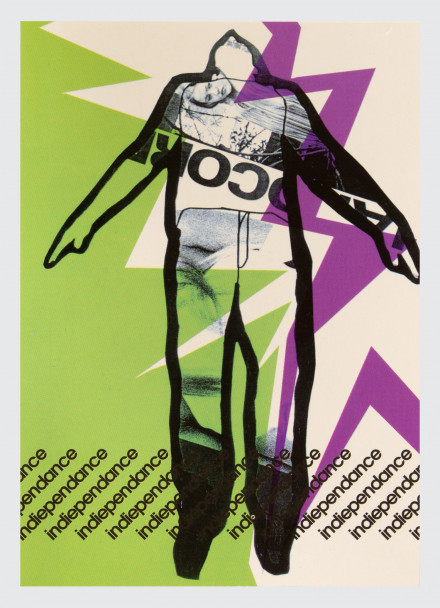
INDIEPENDANCE
×
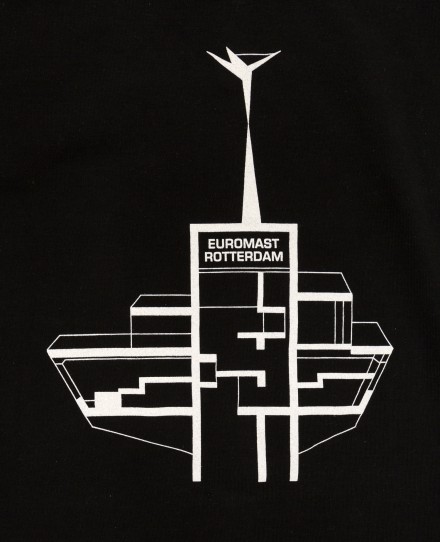
EUROMAST
×
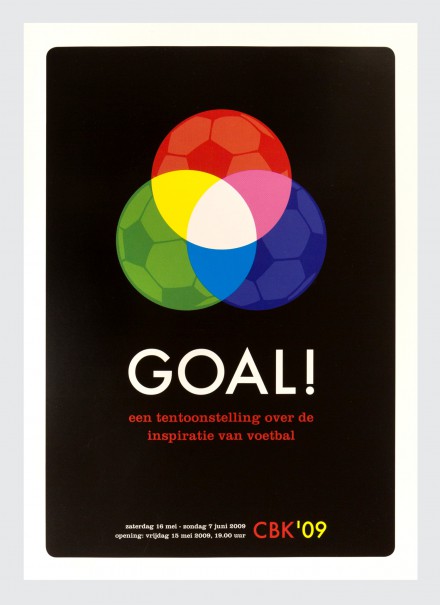
GOAL!
×
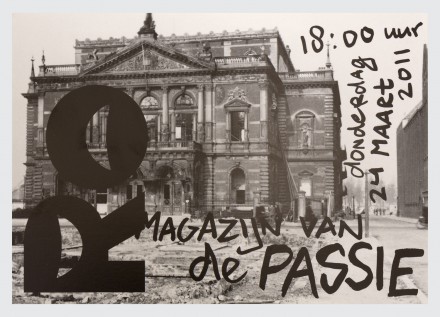
MAGAZIJN VAN DE PASSIE
×
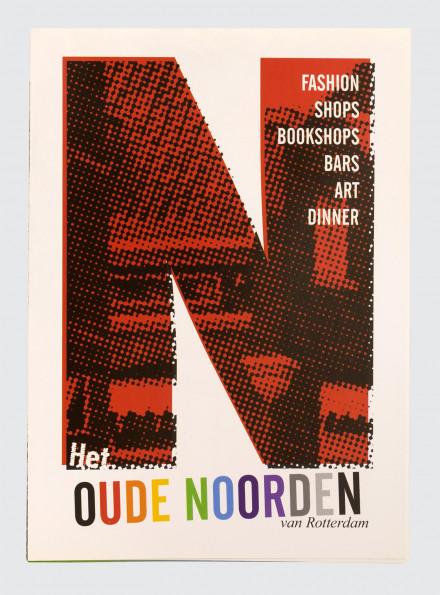
OUDE NOORDEN
×
SONIC ACTS
×
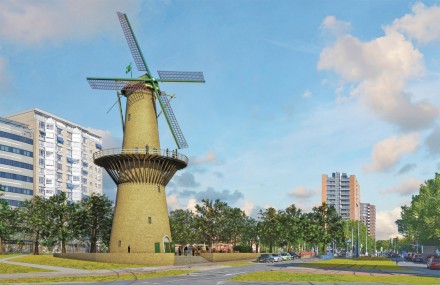
MOLEN DE NOORD
×
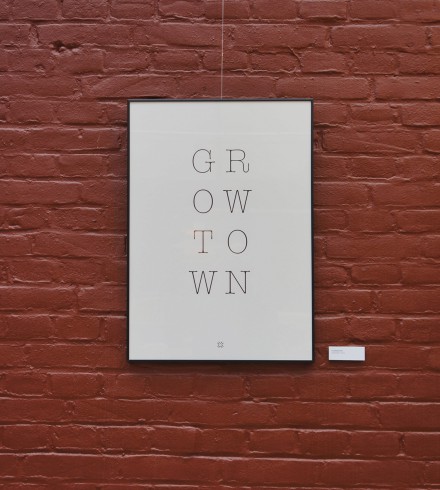
GROWTOWN
×
SONIC SPOCHT IV
×
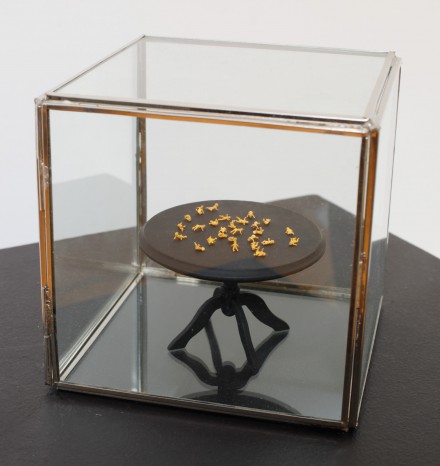
GOLD IS NEAR
×
KRAKATAU
×
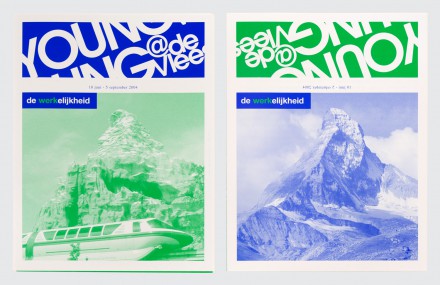
DE VLEESHAL
×
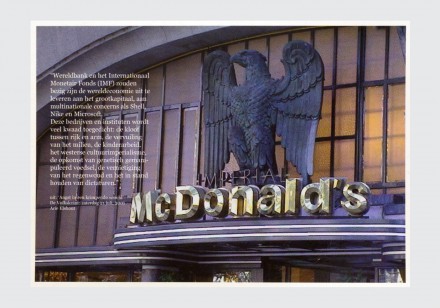
IMPERIAL
×
SUSAN BIJL
×
IFEA AWARD
×
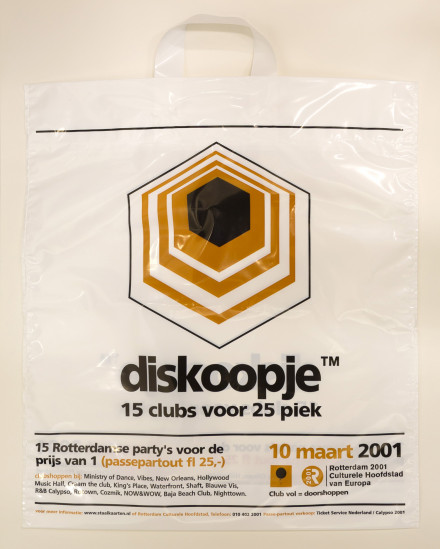
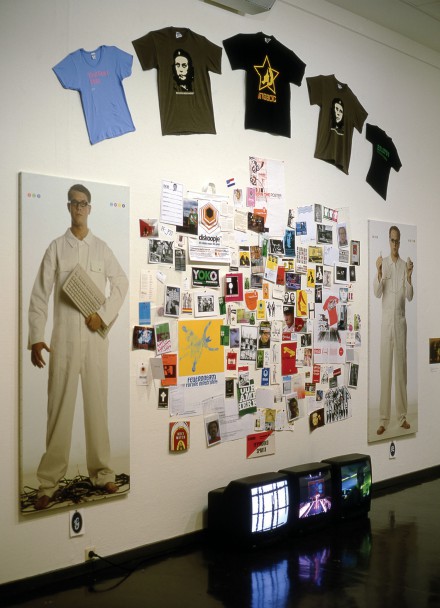
DISKOOPJE
×
ROTTERDAM 2028
×
MILAREPA
×
JAN HART
×
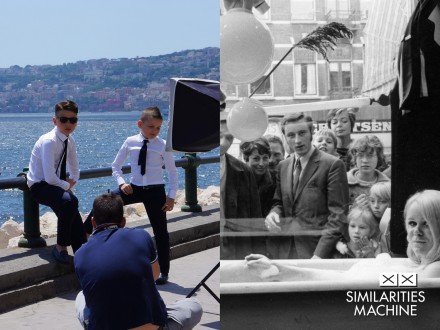
SIMILARITIES MACHINE
×
SWINGING SUMMER!
×
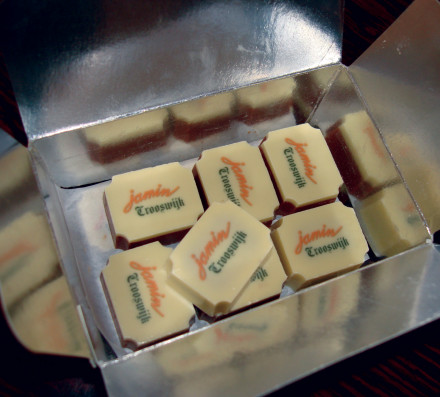
JAMIN CROOSWIJK
×
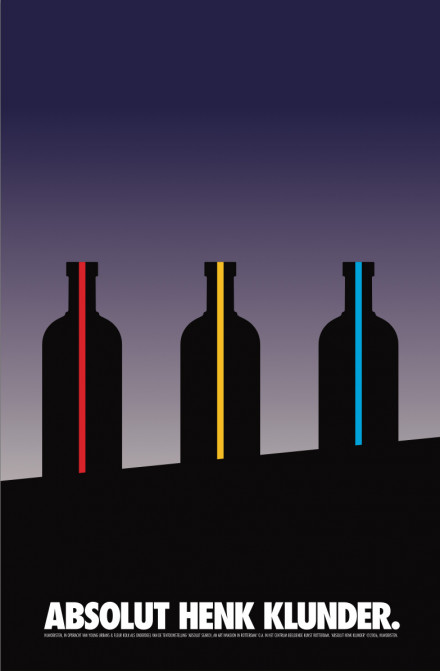
KLUNDER
×
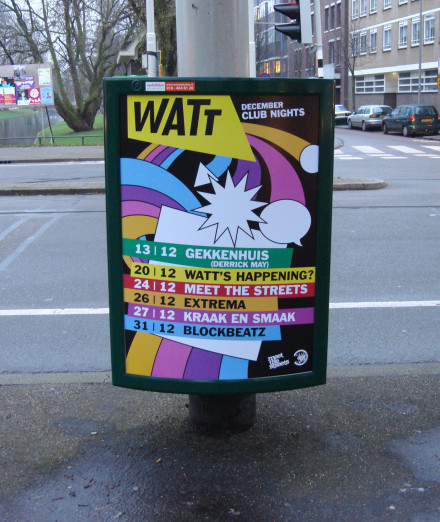
WATT
×
LOF DER ZOTHEIDSPELD 2011
×
DOLF HENKESPRIJS 2012
×
MAASKANTPRIJS 2002
×
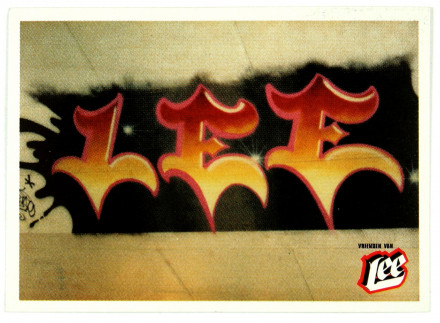
VRIENDEN VAN LEE
×
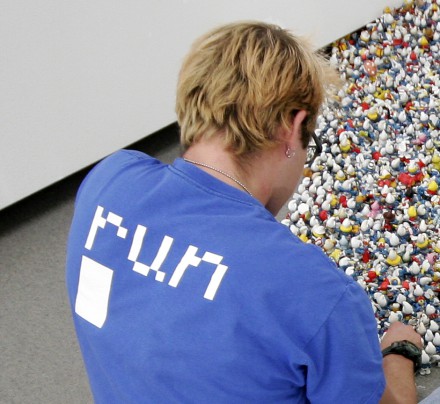
RUN
×
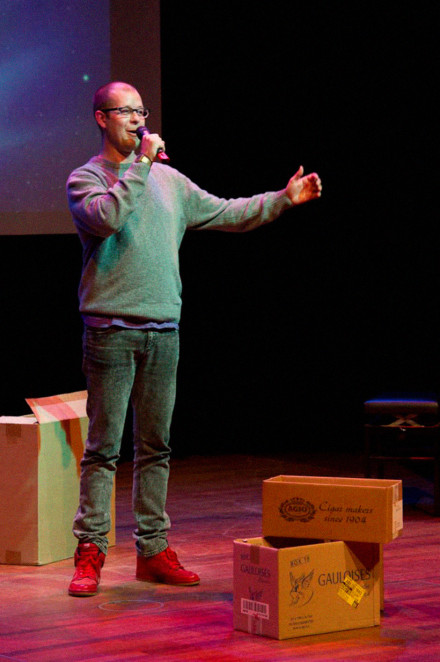
ROTTERDAM LEZING 2011
×
EVERYONE CAN… SERIES
×
TOMBRECHT & DE VOGEL
×
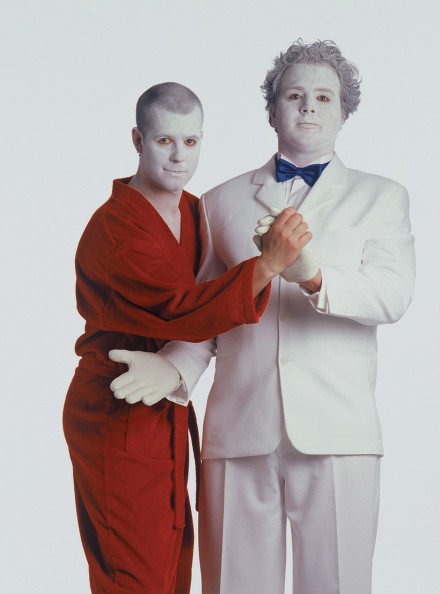
THE SPLIT SONG SHOW
×
B.O.B.
×
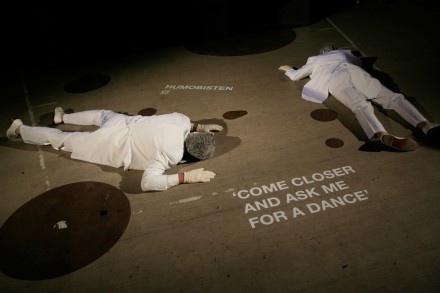
COME CLOSER AND ASK ME FOR A DANCE
×
HUMOBIZA
×
DUBBELE BOOKING
×
WE ZIJN WEER BOOS!
×
PARTING
×
NIEUWE STOFF
×
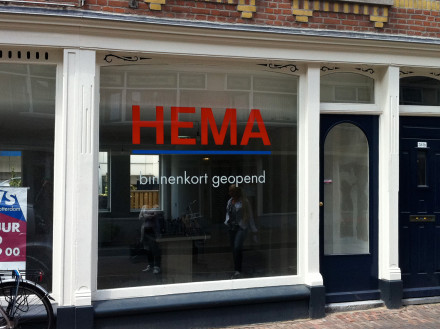
ECHT HEMA
×
BAR DANCING NIKOLA TESLA
×
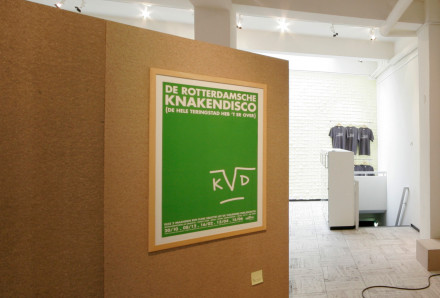
ROTTERDAMSCHE KNAKENDISCO
×
INTERNATIONAL BREAKDANCE EVENT
×
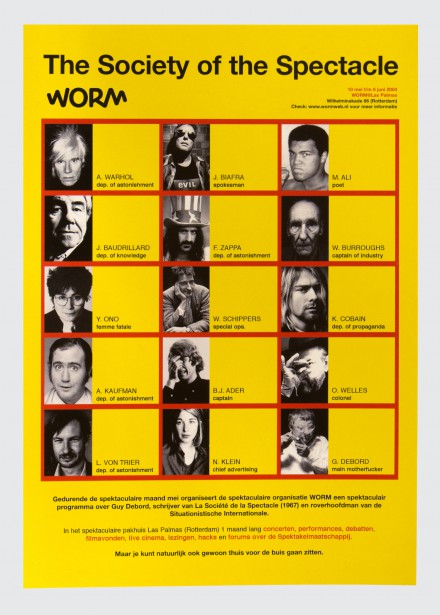
THE SOCIETY OF THE SPECTACLE
×
WAITING ROOM
×
PERITONITIS
×
DE REUS VAN ROTTERDAM
×
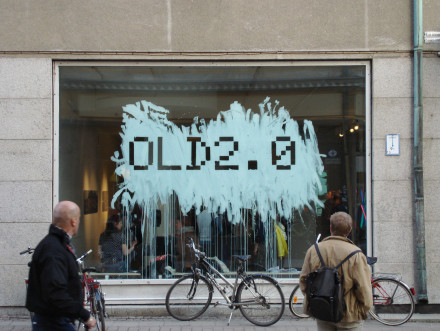
OLD2.0
×
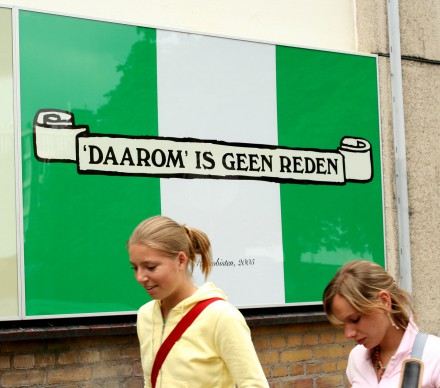
O, DÁÁROM
×
GOOGLE
×
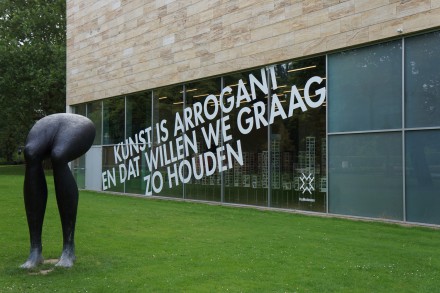
ART IS ARROGANT AND WE LIKE TO KEEP IT THAT WAY
×
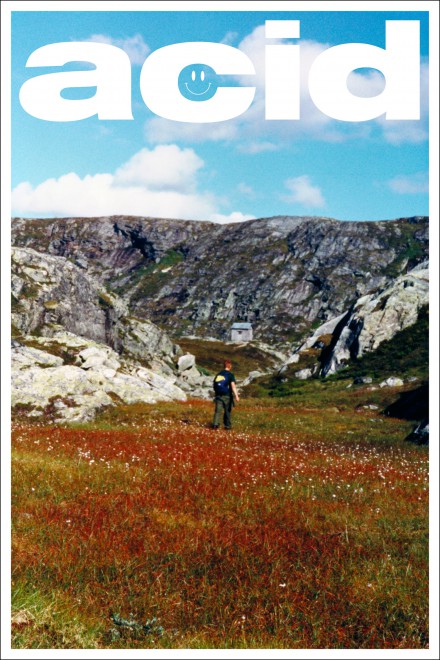
ACIDHOUSE
×
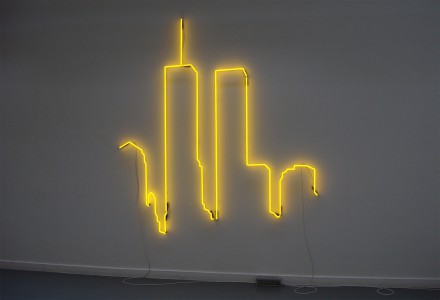
09.11.2001
×
PERSUASION OF DEPERSONALIZATION SERIES
×
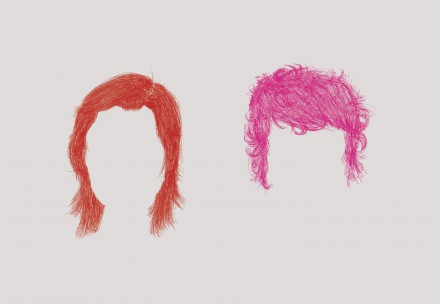
ZONDER HAAR
×
THE LITTLE RED BOOK SERIES
×
YELLOW PAGES SERIES
×
THE PARTY IS OVER
×
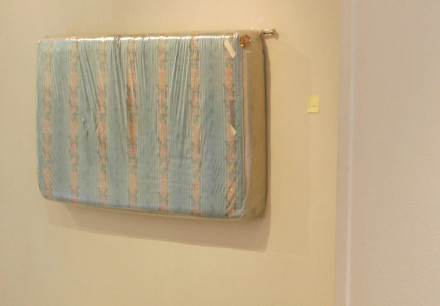
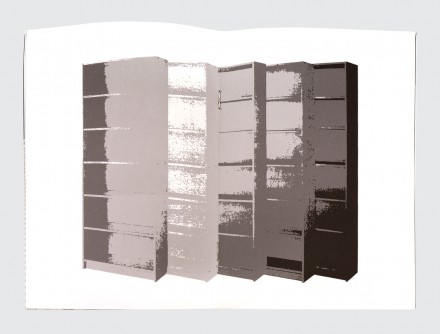
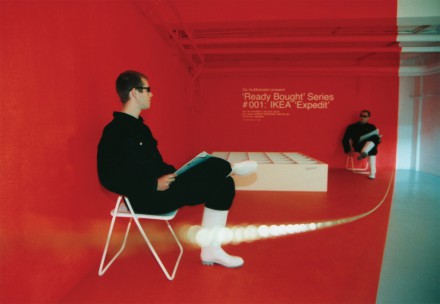
‘READY BOUGHT’ SERIES #001: IKEA ‘EXPEDIT’
×
IRON LION NEAPOLIS
×
ROTTERDAM 2040 FILM
×
ROTTERDAM 2040 TRAILER
×
12, A FILM ABOUT THE FRET CLICK
×
MEET THE MAESTRO
×
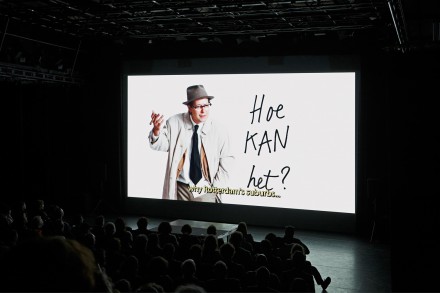
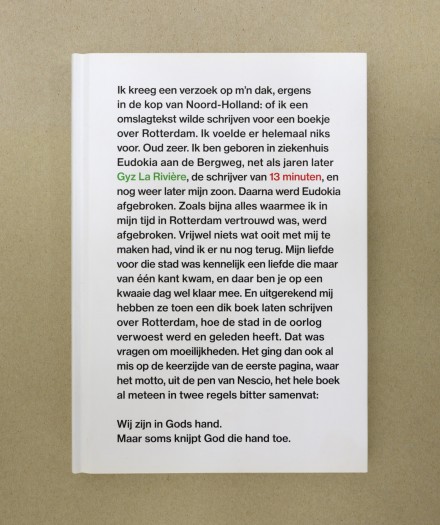
13 MINUTEN
×
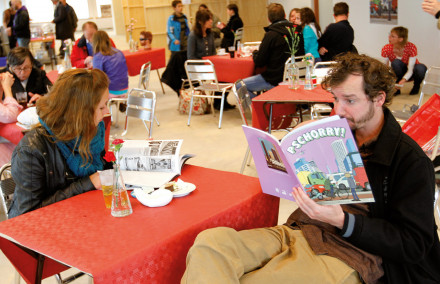
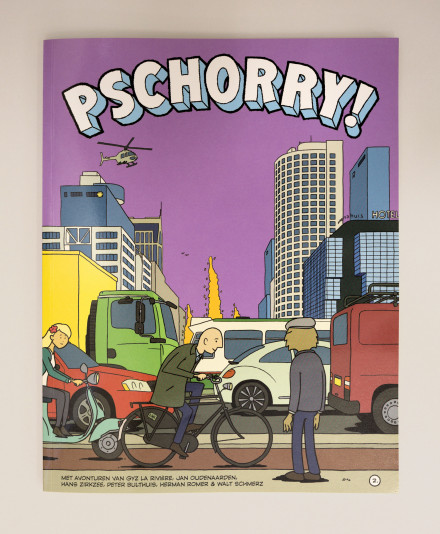
PSCHORRY! BOOK
×
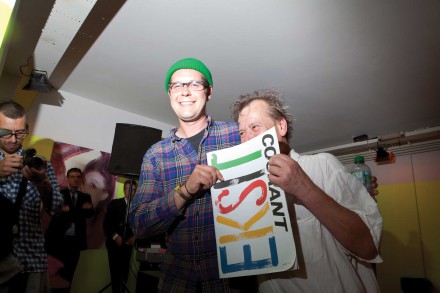
EKSIT KRANT
×
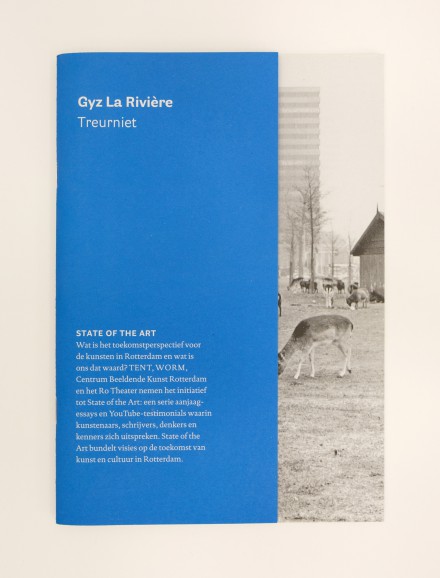
TREURNIET
×
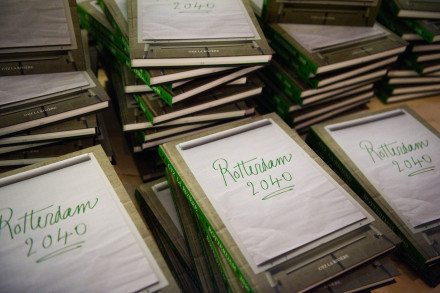
ROTTERDAM 2040 BOOK
×
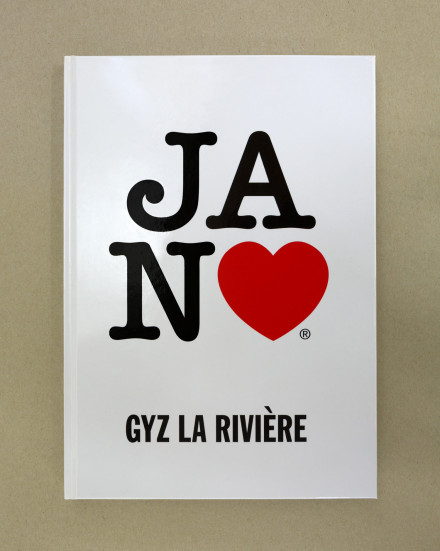
JAN HART BOOK
×
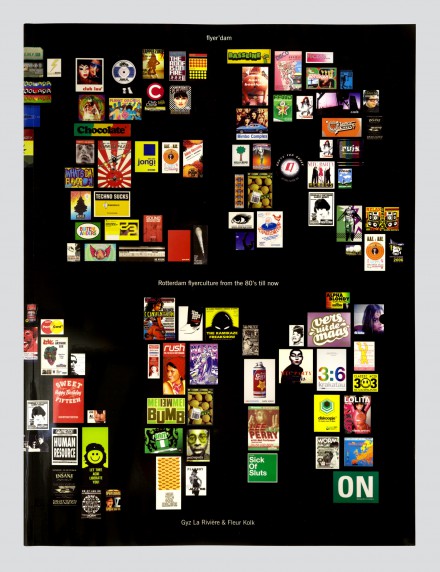
FLYER’DAM BOOK
×
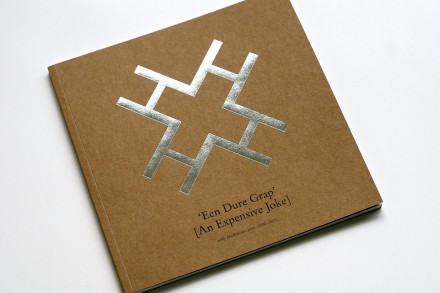
EEN DURE GRAP
×
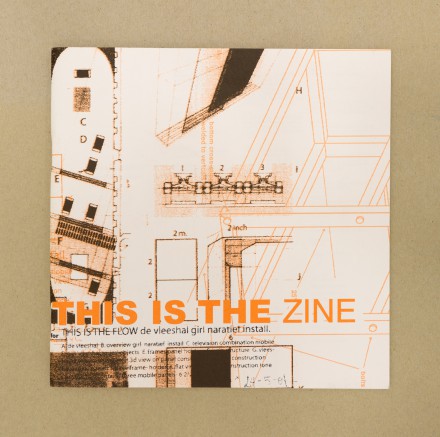
THIS IS THE ZINE
×
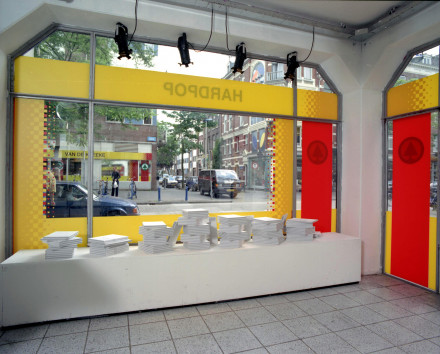
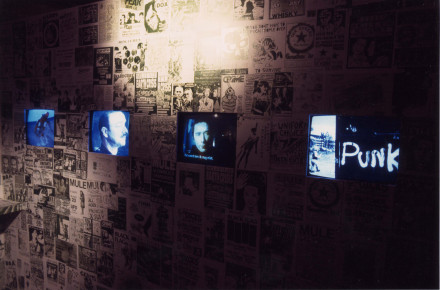
HARD POP
×
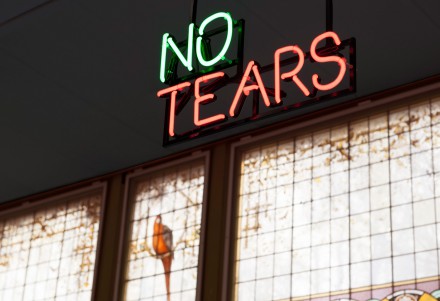
NO TEARS
×
HOT DOG?
×
LONDON CALLING
THE CLASH
OF CIVILIZATIONS
×
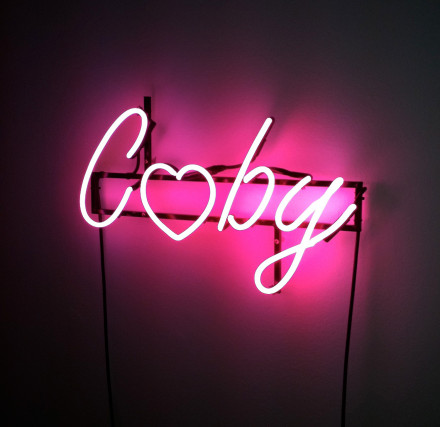
COBY
×
GOTHIC MODERNIST TENDENCIES
×
F=mg
×
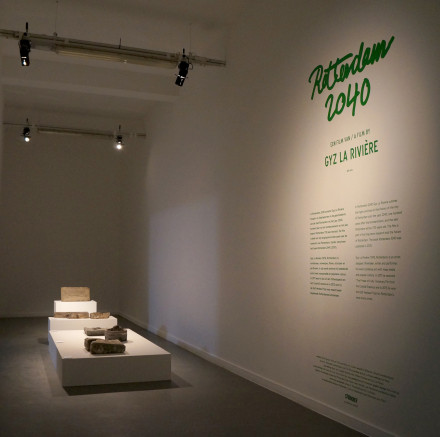
ROTTERDAM 2040
×
PSCHORRY!
×
720˚
×
FLYER’DAM
×
POMMES FRIEDEN
×
ZONDER GARGAMEL
×
PRINTED MATTER
×
DAS IST EIN HUND
×
P*** DROIDS
×
THE CORPORATE EYE 02
×
THIS IS THE FLOW
×
1234
×
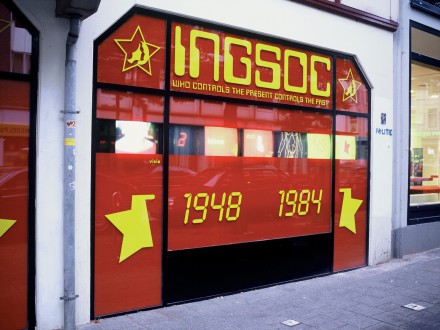
INGSOC
×
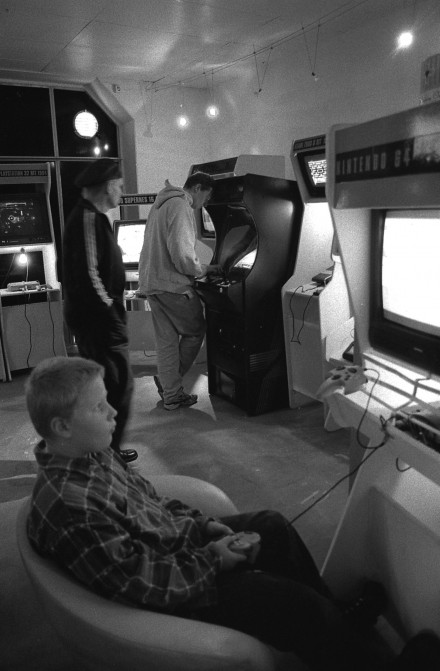
GAME OVER